Sublimation: A Design Review for Real Projects
The First Impression
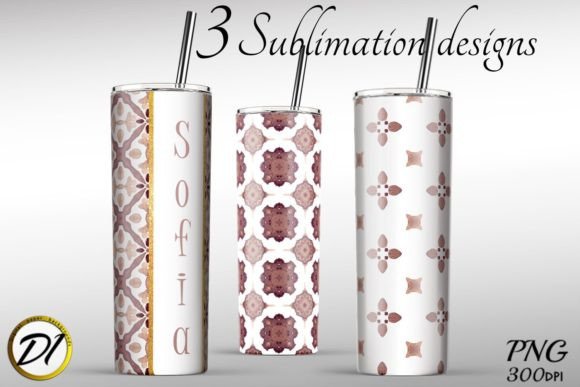
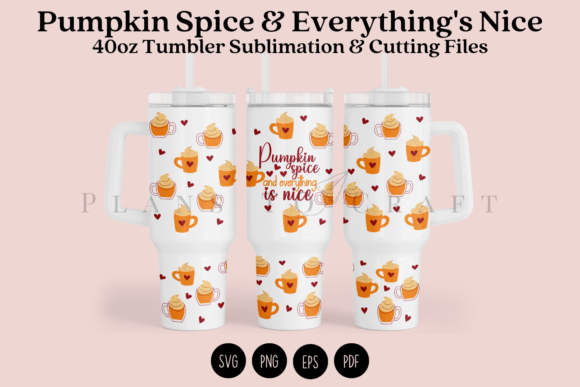
Sublimation immediately feels like a design with purpose. Its clean lines and subtle patterns suggest a balance between simplicity and detail. The layout is well-organized, making it easy to visualize how it might translate into an embroidered piece. It carries a calm, modern vibe that could work well in both personal and commercial settings.
Design Mood and Visual Personality
Sublimation has a quiet elegance. It doesn’t shout for attention but instead invites the viewer to look closer. This makes it ideal for projects where subtlety is key—like a custom tote bag or a personalized gift. The visual personality leans toward minimalism, which means it can adapt to various styles without clashing. It’s not overly decorative, but it still offers enough interest to stand out on a fabric surface.
Real-Life Use Case: Custom Tote Bag Embroidery
Imagine you're preparing a custom embroidered tote bag for a client who wants something elegant yet understated. Sublimation would fit perfectly here. The design's structure allows for clear stitching without overwhelming the fabric. When stitched, it adds a refined touch that complements the tote's functionality. It’s also versatile enough to be used on other items like caps, aprons, or even baby clothes, depending on the scale and placement.
Performance in Real Embroidery Situations
Sublimation performs well in most embroidery scenarios, especially when used on flat surfaces like t-shirts or tote bags. However, there are a few considerations. On small hoop sizes, the design may feel cramped, so it’s important to check stitch density and ensure it fits comfortably within the hoop. Textured fabrics can also affect the final result, as they may cause the design to appear slightly distorted or uneven.
Dark fabrics present another challenge. While Sublimation maintains its clarity on lighter backgrounds, it may lose some of its vibrancy on darker materials. Testing the design on scrap fabric first is always a good idea, especially if you're working with dark or textured materials. For stretchy fabrics, using a proper stabilizer is essential to maintain the design’s shape and prevent puckering.
Where to Use Carefully
- Small Hoop Sizes: Sublimation may not translate well to very small hoops due to its complexity and detail level.
- Textured Fabrics: The design’s fine details can get lost on rougher surfaces, so consider the fabric type before committing.
- Thin or Stretchy Fabrics: These can cause distortion, especially in areas with dense stitching or intricate corners.
- Dark Fabric: The design’s colors may not show up as intended, so test it on a dark background before finalizing.
- Curved Surfaces: Items like caps or hats require careful placement to ensure the design remains legible and centered.
- Detailed Corners and Tiny Lettering: These elements need precise stitching to maintain clarity and avoid blurring.
- Frequent Washing: Designs with delicate details may fade or wear over time, so consider durability when selecting this for commercial use.
Impact on Visual Appeal and Product Value
Sublimation contributes positively to the visual appeal of any project. Its balanced composition ensures that it looks professional and well-crafted, which enhances the perceived value of the finished product. Customers are more likely to trust a handmade item that looks intentional and well-executed. For Etsy sellers or craft business owners, this can mean better customer reviews and repeat sales.
From a brand consistency standpoint, Sublimation offers a reliable base for creating a cohesive look across multiple products. Whether it's a holiday gift, a boutique product, or a personalized item, it can help reinforce your brand’s aesthetic. The design’s versatility also makes it suitable for both personal and commercial projects, giving it a broad range of applications.
Practical Designer Notes
Before using Sublimation in a real project, take these steps to ensure success:
- Test on Scrap Fabric: Always do a test run to see how the design looks and behaves on the fabric you plan to use.
- Check Thread Color Contrast: Ensure the thread colors provide enough contrast against the fabric to maintain visibility.
- Review Stitch Density: Adjust stitch density if needed to prevent overcrowding or sparse stitching in key areas.
- Confirm Hoop Size: Make sure the design fits comfortably within your hoop to avoid distortion or tension issues.
- Inspect Small Details: Pay close attention to tiny lettering and intricate corners to ensure they remain sharp and clear.
- Test in Black and White Mockups: This helps identify potential issues with contrast and detail retention.
- Compare Light and Dark Backgrounds: See how the design performs on different fabric types to anticipate final results.
- Use Proper Stabilizer: This is crucial for maintaining the design’s shape and preventing fabric puckering.
- Check Licensing: If you plan to sell finished items or digital products, confirm the licensing terms before proceeding.
Final Thoughts on Sublimation
Sublimation is a solid choice for designers looking for a versatile, clean, and professional-looking machine embroidery design. It works well in a variety of contexts, from custom apparel to personalized gifts, and can elevate the quality of your handmade products. With the right preparation and attention to detail, it can become a valuable asset in your design toolkit. Just remember to test, adjust, and consider the fabric and project requirements before finalizing your embroidery project.